Behind Paritsea
Parit Ritchai
I'm Parit Ritchai. I share how I see people, business, and structures, and the principles I bring to thinking, building, and carrying responsibility with others. My writing makes my reasoning and what I am still learning available to examine.
Browse my writing →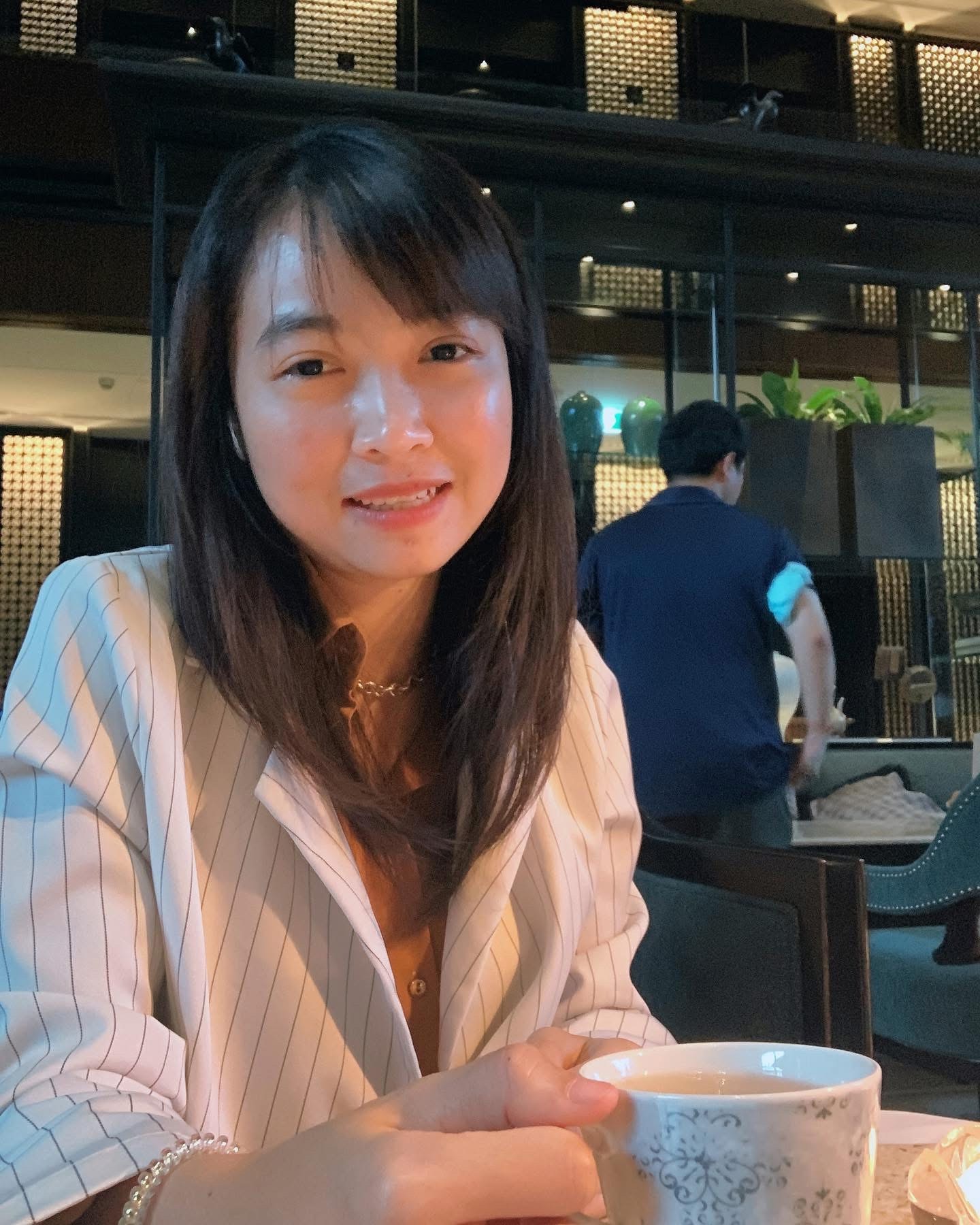
Where my thinking comes from
I once believed that persistence would eventually solve any problem. Developing a popcorn recipe changed that belief: I kept changing the process while leaving a central ingredient unquestioned.
That experience stays with me when I think about businesses. Listening to the people holding the risk matters, and so does examining the assumptions that everyone has learned to work around.
My writing connects people, work, and structures. It records what I notice, how I reach a decision, and what I am still learning. Experience can change the way I see; the earlier work remains part of that journey.
Questions I return to
What do we need to understand before moving forward?
What are we building or developing, and for whom?
The starting point may be something new to create, existing work to develop, or a question to understand better. I want to understand the intention and the assumptions behind it.
What needs to work together for it to become real?
An idea needs to connect with people, decision-making authority, responsibilities, and actual constraints. I examine those relationships together.
What responsibility comes with this trust?
Who decides, who carries the risk, and who is affected by what we create? These questions matter in development work and in work that asks for a high level of trust.
How I think and work with others
Understand what we want to create before choosing how to move forward
Listen to the people, their aims, and their responsibilities
The people I work with bring experience, intentions, responsibilities, and constraints. I listen to what they want to create or develop and what they need to carry along with it. I do not begin by assuming they have a problem for me to solve.
Look from outside, understand from within
Distance can reveal relationships or possibilities that have not yet been considered. Understanding the actual work helps us see what to preserve, what can change, and who a change would affect.
Shape an approach that fits the context together
I use questions to examine assumptions and make choices clearer, then adapt the approach to the actual situation. Some work involves building together, developing something further, or carrying a responsibility that requires a high degree of trust. Problem-solving can be part of that work; it is not the starting point of every collaboration.
Principles behind my decisions
Trust needs reasons that can be examined.
Do not conclude from the outside alone
I distinguish what I have observed from what I still need to understand. A neat explanation is not enough.
Keep the decision with the person accountable
I explain what I find and the trade-offs I see. I do not take the owner’s decision away from them.
Keep people in the equation
I understand that business involves conflicting interests and constraints. I will not knowingly improve a structure by imposing an unacceptable human cost.
Be willing not to build
When an additional system would add burden without addressing the cause, declining to create it can be the more responsible decision.
Before we work together
The boundary I bring to our work
I am clear about my responsibilities and flexible about how we work. Ideas need to adapt to the actual situation. I do not impose my principles as a ready-made model for someone else’s business; I listen to the constraints and work towards an answer with them.
I understand that real businesses involve competing interests, stakeholders, confidentiality, and pressure. Not everything can be clean or perfect. Ethics and the humanity of people in the system must still be part of the decision.
I will not agree to work that I know will harm people in the system. Restoring profit, keeping a business alive, or supporting growth must not come at a human cost that is too high. My responsibility is to seek a structure that balances those aims as far as possible.
I am willing to adapt the approach. If the brief requires removing people from that equation, I may choose not to take the work on in the first place. This boundary helps both sides decide whether we can work together.
Experiences that reveal the thinking
Experience
Experiences to share
Stories, experiences, and perspectives I want to share.
Follow or continue the conversation
Ideas in business
When you want to put this thinking to work
Paritsea is where you get to know my thinking. SE Ocean explains what you can hire me to do, the services available, and how to begin.
See what you can hire me to do ↗